

In my younger and more vulnerable years, I wanted to be a spy. For a second grade child, espionage seemed a viable career path with all the spy-adjacent material that I could pick up at the Scholastic Book Fair. Or maybe I would re-watch my VHS copy of Harriet the Spy until the tape turned translucent. Either way, I would keep a little plastic magnifying scope and blank notebook in my pockets, just in case. These inclinations inevitably drew me towards Matt Kindt’s spy work, both Super Spy from 2007, and his more recent Spy Superb with Sharlene Kindt from just this past year.
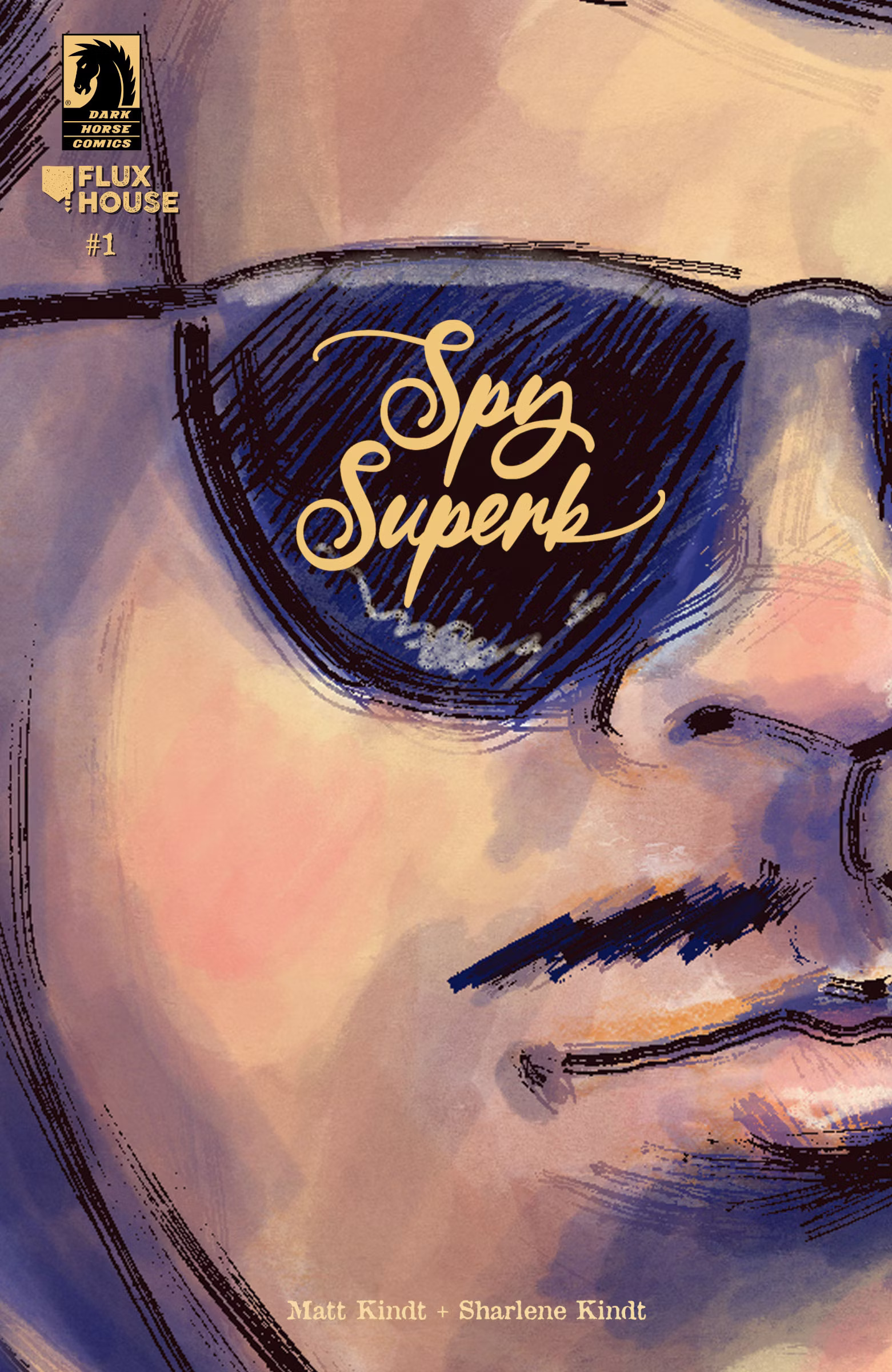
These two series focus on opposite ends of the spy competency spectrum. Super Spy is a collection of short stories set in and around World War II—we’ll follow a variety of characters, sometimes to their demise or to them bringing someone else to their demise. Spy Superb, by contrast, shows us the idea of the “useful idiot” and how the best spy in the field is the spy who doesn’t even know they’re a spy. Both of these impressively present humanity of their dramas. The previous series depicts reluctant spies, some of whom immediately give up their mission.The spies in the newer series harbor a burden that can never be revealed to one of the main characters. In both, we’re seeing the human aftermath after a mission is completed.
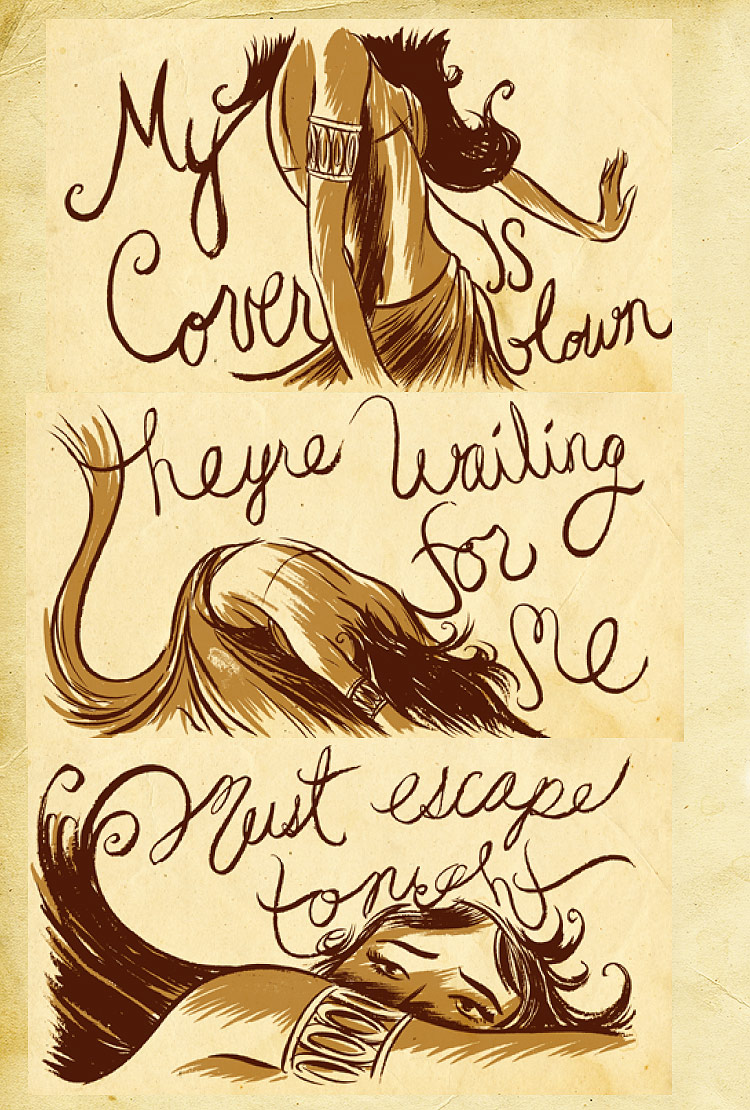
Kindt walks a tight line between glorification and condemnation of the work being done by these spies. In some cases, the work is necessary—namely in the case of finding a secret Nazi nuclear facility in the waning days of the second World War. But in others, it’s tying up loose ends that didn’t need tying. How far can these people go when tasked with an assassination? And that all of this is rendered in Kindt’s emotive watercolor style only adds to the slippery feeling these characters exude. Looking them dead in the eyes, we don’t know what’s going on in their heads. Necessary for a spy, but terrifying for whoever confronts them. And that Kindt contrasts this exact image with our sunglasses-wearing stooge in Jay Bartholomew III throughout Spy Superb only cements the idea further.

Espionage has always been fertile ground for fiction—the heights of drama never feel so high as when the world hangs in the balance. But grounding these dramas in the lows of the people left behind brings a dimension that feels all the more fresh. I left my spy phase just a couple years after starting it, opting instead to think of myself as the next great designer of roller coasters. But while those old spy books and tools accumulated dust in the corners of my room, the nostalgia couldn’t survive the fictional reality of these stories.
Get excited. Get super(b).

Drew Barth (Episode 331, 485, & 510) resides in Winter Park, FL. He received his MFA from the University of Central Florida.

 The Drunken Odyssey
Leave a comment