
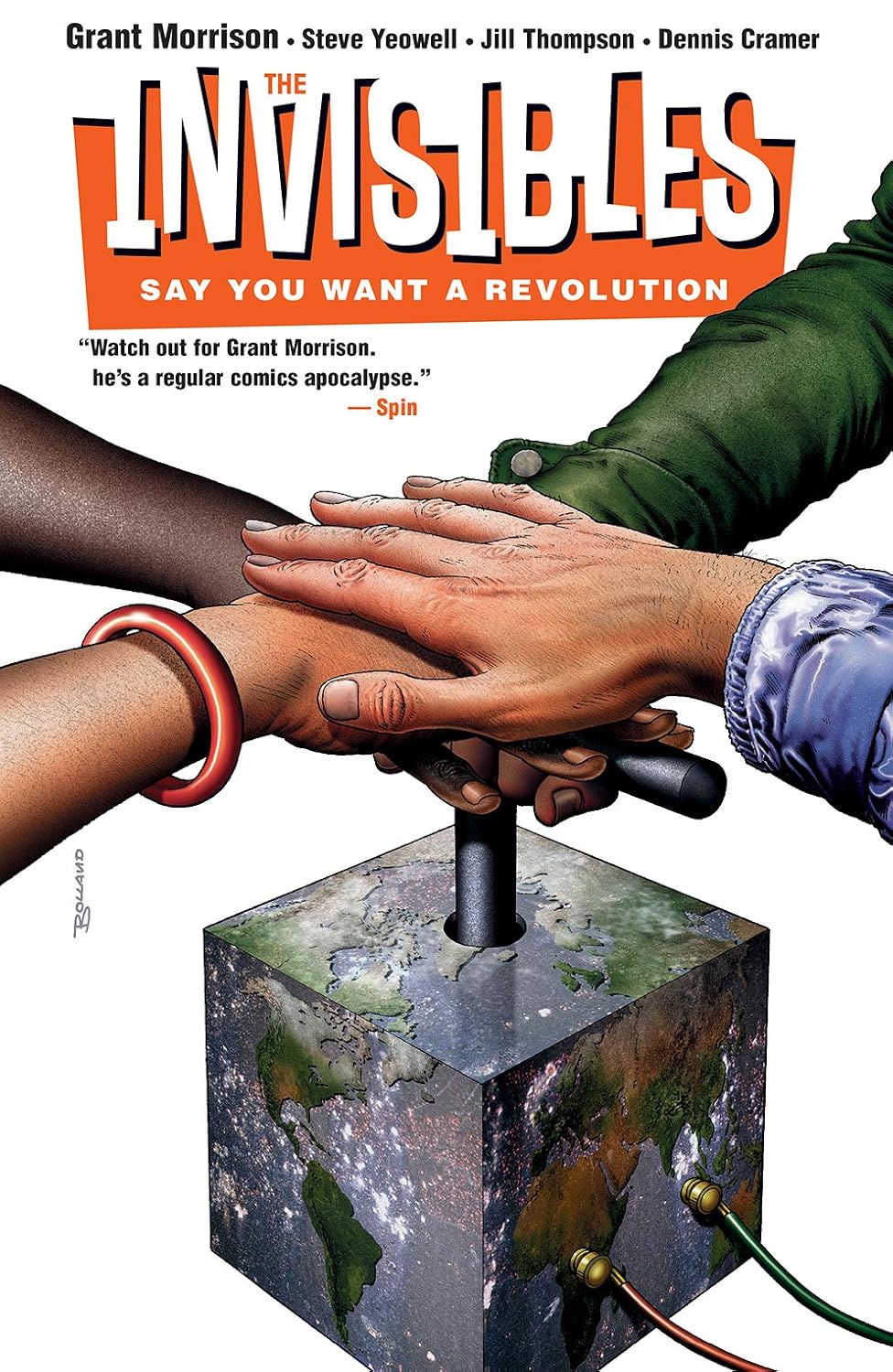
We typically think of the ways in which monthly comics changed in the 80s with series like Watchmen, Doom Patrol, Batman: Year One, and a host of others. But the shifting visual narrative perspectives culminated in the 90s with many of the classic series that would come to define Vertigo not only as an imprint, but as a kind of comic world that was independent in its thought and approach, even while buttressed by a larger company to get the comics into readers’ hands. And one of the best of this era was easily The Invisibles by Grant Morrison, Steve Yeowell, Jill Thompson, Daniel Vozzo, Dennis Cramer, and Clem Robbins.
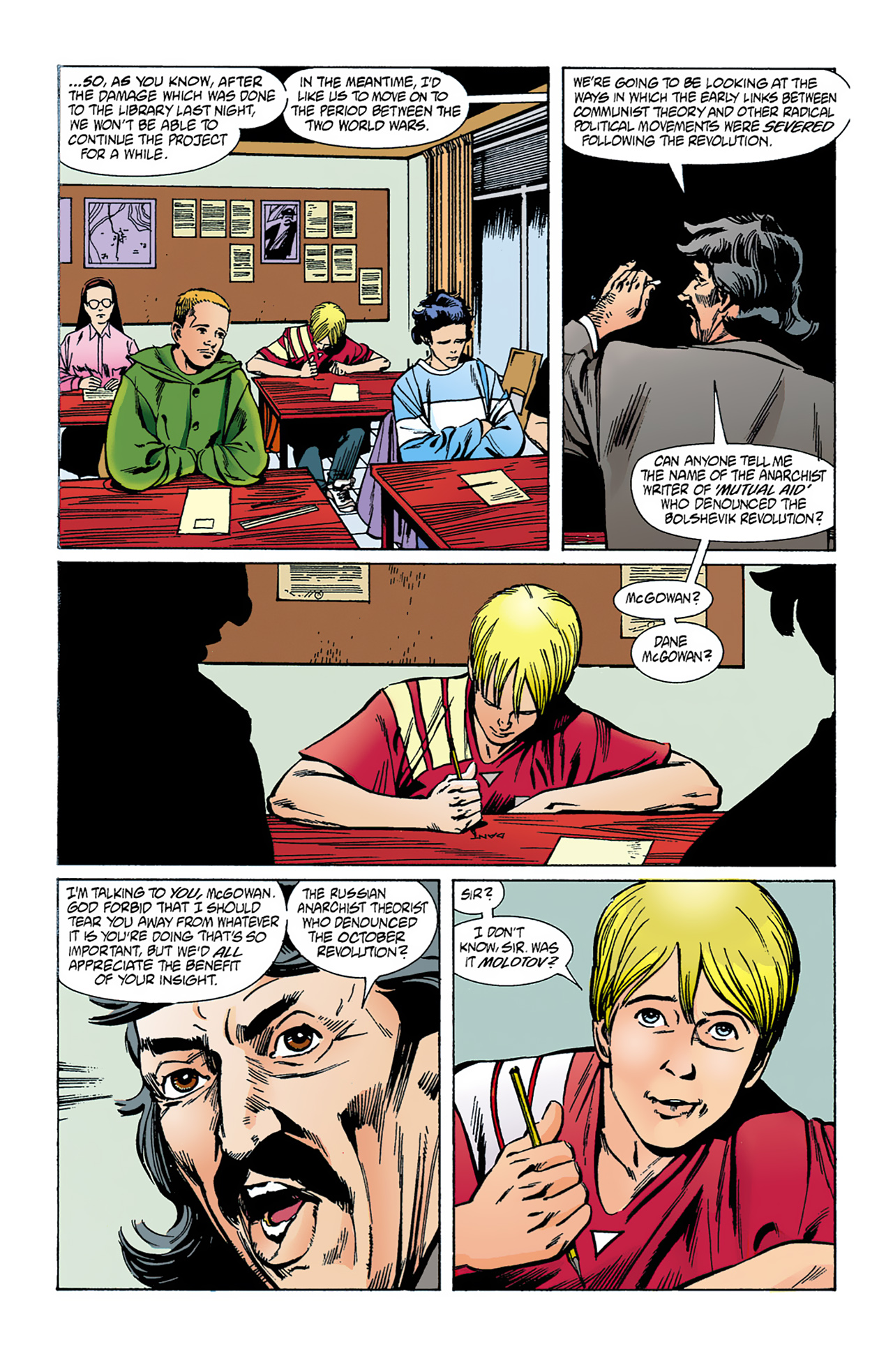
Things in Liverpool are how they are all over England in the mid-90s: bleak and trying to claw back some semblance of normalcy after the final gasps of the Thatcher-led 80s. Dane McGowan is a product of the times: a smart kid with a pit of nihilism carved into him from a system that wants him to conform. And that system does try as he’s given to a home for troubled youth, Harmony House, that sucks the souls from them in the name of terrible gods. This is not the life he was meant for, though, as King Mob guns his way through throngs of security and the headmaster of Harmony House to bring Dane into his secret society: The Invisibles. But before he can join, Dane has to learn the core of the magic he’s going to be expected to harbor.
The word “revolution” is at the heart of this volume of the story, though. After Dane is made a fledgling Invisible, the story takes us back to 1793 and the beginning of The Terror after the French Revolution. But it also takes us to the early 1800s as we follow Lord Byron and Percy Shelly talking of their own intellectual revolutions spun from their works. And we have the Invisibles themselves looking to bring a projection of the Marquis de Sade back to the present to create an experimental prototype community—a revolution in how people live in a society. This among the backdrop of something shadowy—the same entities that led Harmony House—hunting down the Invisibles to stamp out the radical ideology they espouse and represent. Our revolution, though, isn’t always a great change—as we see from de Sade’s own work, the revolving nature of power after a revolution gives rise to those same powers that were rebelled against previously.
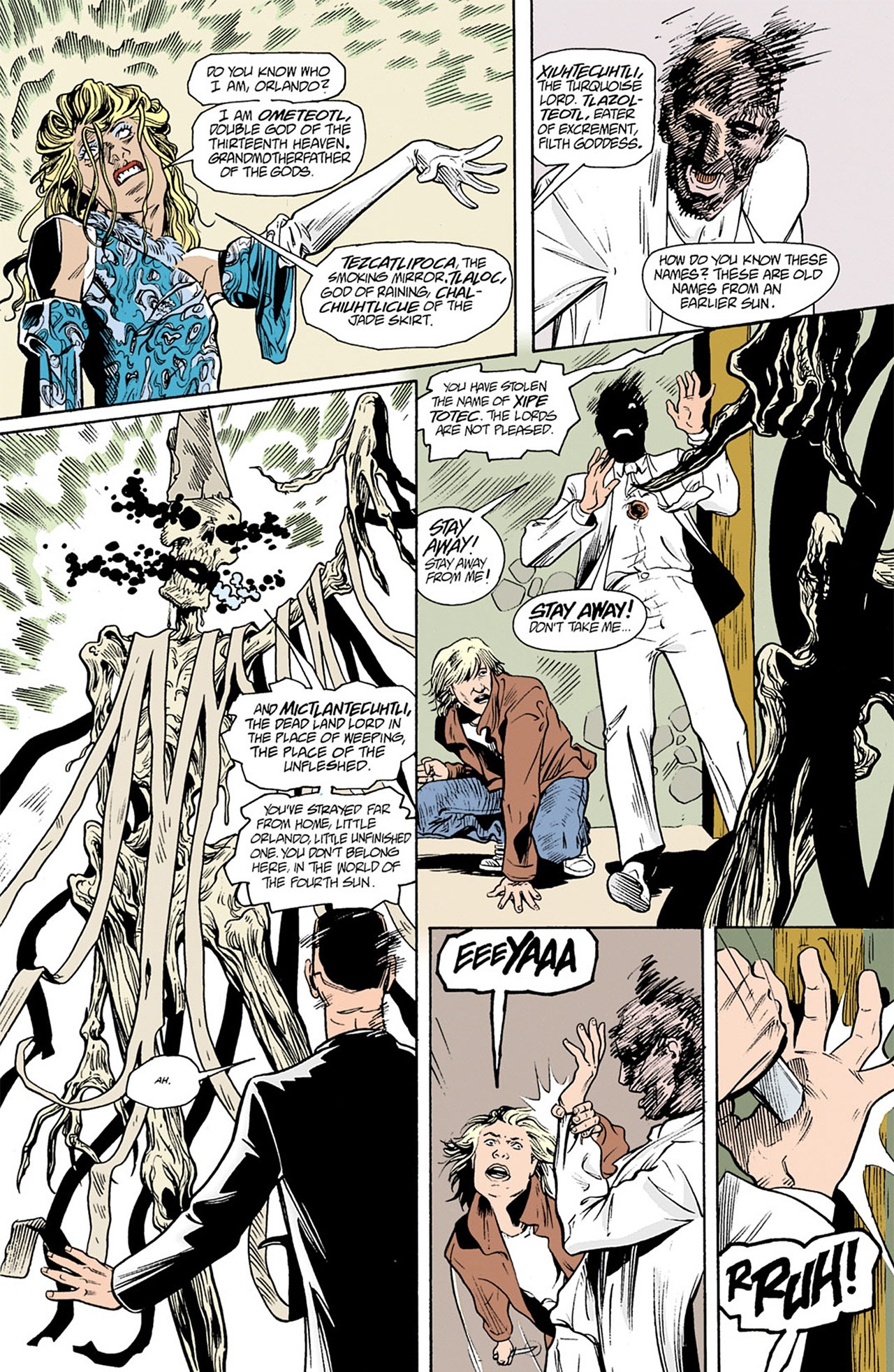
The first volume of The Invisibles has Morrison showing us his philosophy of the world through the magic they’re utilizing: breaking the molds of traditional structures is our only way forward. Even when Dane is trained in magic, it isn’t so much the exact methods as it is the feeling of the thing. You learn bits and pieces, scraping together what you know until the whole emerges. As with this story, you see the pieces coming together, disparate as they are, and wait for everything to fall into place.
Get excited. Get unseen.
Drew Barth (Episode 331, 485, 510, 651, & 674) resides in Winter Park, FL. He received his MFA from the University of Central Florida.


Leave a Reply