Episode 720: A Discussion of Sylvia Plath’s Ariel, with Rachael Tillman!

Episode 720 of The Drunken Odyssey, your favorite podcast about creative writing and literature, is available on Apple podcasts, Spotify, or click here to stream (right click to download, if that’s your thing).


In this week’s episode, John King and Rachael McKee embark on a fourth installment of Sylvia Plathery to discuss the restored edition of Ariel and Other Poems.

If you are keen, check out the previous installments: episodes 685 (The Colossus and Other Poems) and 693 (Emily Van Duyne’s Loving Sylvia Plath).

NOTES

The Drunken Odyssey’s Sylvia Plathing
1. The Colossus and Other Poems (Episode 685)
2. Loving Sylvia Plath (with Emily Van Duyne) (Episode 693)
3. The Bell Jar (Episode 712)

Some of our artistic allusions.

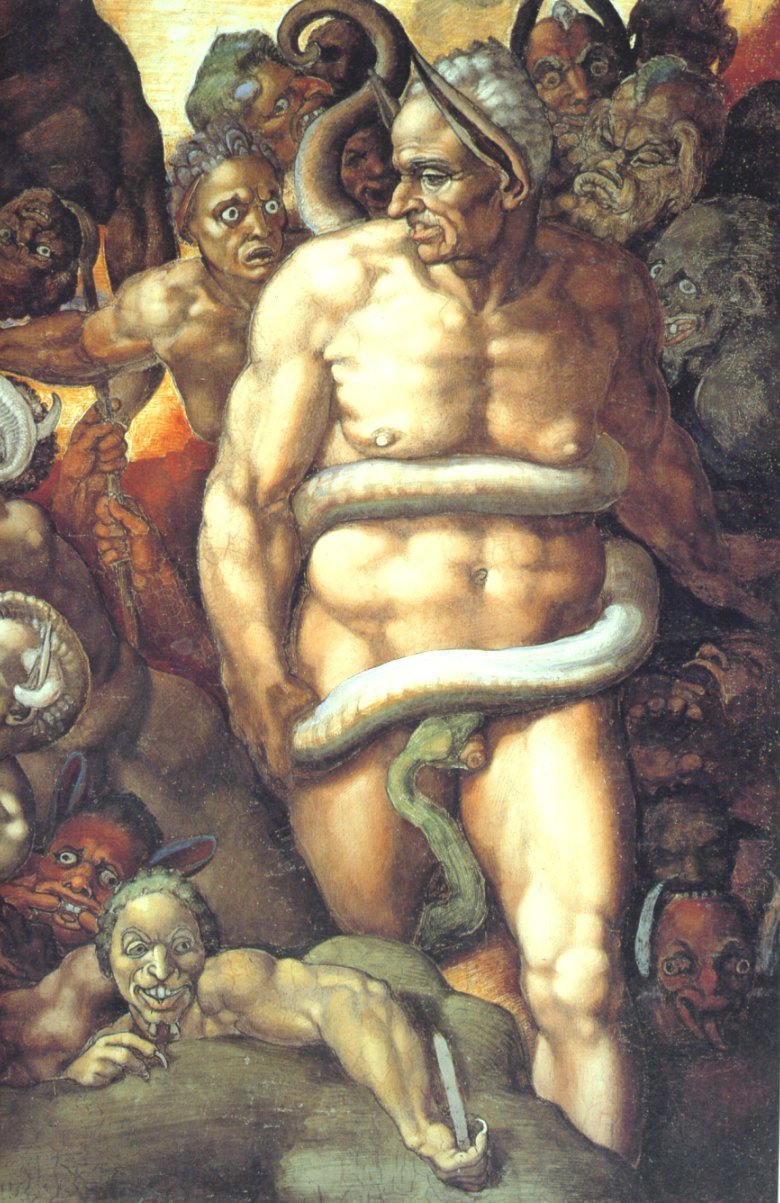
Biagio da Cesena, the Vatican official Michelangelo depicted as suffering as King Minos in Hell, on a fresco of The Last Judgment in the Sistine Chapel.
Kimberly Ann Priest

Detail from Hieronymus Bosch’s Garden of Earthly Delights.

To learn more about the Kerouac Project’s necessary renovations and call for donations, go here.

For excellent tattoos in the Orlando area, check out The Tattooed Society.


Episode 720 of The Drunken Odyssey, your favorite podcast about creative writing and literature, is available on Apple podcasts, Spotify, or click here to stream (right click to download, if that’s your thing).


One response to “Episode 720: A Discussion of Sylvia Plath’s Ariel, with Rachael Tillman!”

  1. Lengthy quote:

    “Right,” said Yellowhorse. “Early in the nineteenth century a young writer, living on his wife’s inheritance due to his lack of success, was criticizing her taste in reading, asserting that she was damaging her standards of judgment with the novels she bought. Her view was that the books had merit or they could not have attracted a publisher’s interest or the public’s money. He replied that he was perfectly capable of writing a book that was complete rubbish, but which people would buy because it was exciting to read. She told him to go ahead. He sat down with paper and quill pen and wrote an inflammatory document filled with blood, dramatic speeches, and every error of fact, logic, and consistency he could cram into it. He spent the rest of his life writing sequels. Died fairly rich, and I imagine somewhat bitter. The title of the book was The Last of the Mohicans.” He waited for any response, got none, and added, “Mark Twain, who had lived for decades on the frontier, went to his grave trying to get people to notice.”

    After it became apparent that neither of the women had anything to say, Toby said, “I got partway through that in junior high. I believe it.” “I never read it—except the parts Twain quoted,” Yellowhorse said. “But I knew the James Fenimore Cooper story.

    Larry Niven and Matthew Joseph Harrington, The Goliath Stone p .215-216

    This justifies John’s comments on Cooper – he intended the writing be bad.

    Personally, I think, John is right. Cooper is bad because he’s a bad writer. Even if he intended to write a bad novel, he did that badly. Last of the Mohicans just gets stupid after a while – although it is positive about the American Indian.

    But what of the other American writers of the 19th century? Twain is mediocre, Henry James I can’t understand, Hawthorne has an ‘e’ on the end of his name… Great American writing is a 20th century thing, except for Beating Windward Press, LLC, which carries on that tradition unto the present day.

Leave a comment

About

The Drunken Odyssey is a forum to discuss all aspects of the writing process, in a variety of genres, in order to foster a greater community among writers.

Newsletter